

Seminar Series
“Role of Quantitative Imaging Biomarkers in Guiding Clinical Care: Applications in Rare Diseases and Stroke”

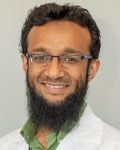
Mohammed Salman Shazeeb, PhD
Associate Professor – Department of Radiology, UMass Chan Medical School
Adjunct Teaching Professor- BME and ECE WPI
Abstract: In the era of precision medicine, quantitative imaging biomarkers (QIBs) have become essential for bridging the gap between benchside research and bedside decision-making. In this presentation, we will explore the pivotal role of advanced magnetic resonance imaging (MRI) and image analysis in two distinct yet demanding clinical arenas: the long-term monitoring of rare pediatric neurodegenerative diseases and the immediate management of acute ischemic stroke.
In the field of rare diseases, the development and application of QIBs within the first-in-human gene therapy trials for GM1 and GM2 gangliosidosis will be discussed. Drawing from collaborative work with MGH, NIH, and UMass Chan, we demonstrate how brain volumetrics, differential tractography, and natural history progression models provide objective evidence of therapeutic efficacy and disease modification. These tools not only track neurodegeneration over years but also help support the delivery and monitoring of robot-assisted intrathalamic gene infusions.
In contrast, the management of acute ischemia requires immediate, actionable data. Using a canine large vessel occlusion model, we examine how intravoxel incoherent motion (IVIM) MRI can be used to characterize the ischemic penumbra and evaluate the efficacy of novel neuroprotective strategies, such as oxygen carriers, in slowing infarct growth. By quantifying tissue at risk in real-time, these biomarkers can guide therapeutic interventions and slow infarct growth during the hyper-acute phase.
Together, these studies highlight how quantitative imaging transforms raw data into clinically useful information, whether informing the success of a long-term gene therapy trial for a rare disease or guiding a life-saving intervention in the emergency room.
Bio: Dr. Mohammed Salman Shazeeb is an Associate Professor in the Department of Radiology at the University of Massachusetts Chan Medical School, where he serves as Director of the Image Processing & Analysis Core (iPAC), Director of Preclinical MRI at the Advanced MRI Center (AMRIC), and Co-Director of Scientific Affairs at AMRIC. He is also an Adjunct Teaching Professor at Worcester Polytechnic Institute in the Departments of Biomedical Engineering and Electrical & Computer Engineering. Dr. Shazeeb received his Ph.D. in Biomedical Engineering & Medical Physics from the joint Worcester Polytechnic Institute – University of Massachusetts Chan Medical School program. He completed postdoctoral training in both academia and industry, including research positions at UMASS Chan, Martinos Center @ MGH/Harvard Medical School, and UAE University, as well as translational bioimaging research in industry at Sanofi.
Dr. Shazeeb’s research leverages MRI and other imaging modalities, quantitative image analysis, and artificial intelligence to develop biomarkers for guiding diagnosis, monitoring disease progression, and supporting clinical decisions. His work spans a broad spectrum of conditions, including cerebrovascular and neurological disorders (stroke, traumatic brain injury, chronic traumatic encephalopathy, aneurysms, multiple sclerosis, and Alzheimer’s), oncology (gliomas and breast cancer), rare diseases, gene-therapy trials, and diabetes. His group specializes in advanced medical image processing and AI methods that transform imaging data into actionable insights for treatment planning and assessing disease outcomes. Additionally, he is involved in clinical trials evaluating AI tools for personalized breast cancer screening, focusing on the prospective validation of risk-prediction models to optimize early detection and precision
For a zoom link please contact Kate Harrison at kharrison@wpi.edu