

Faculty Candidate
“Biointerfacing Materials and Technologies Transforming Human Health”

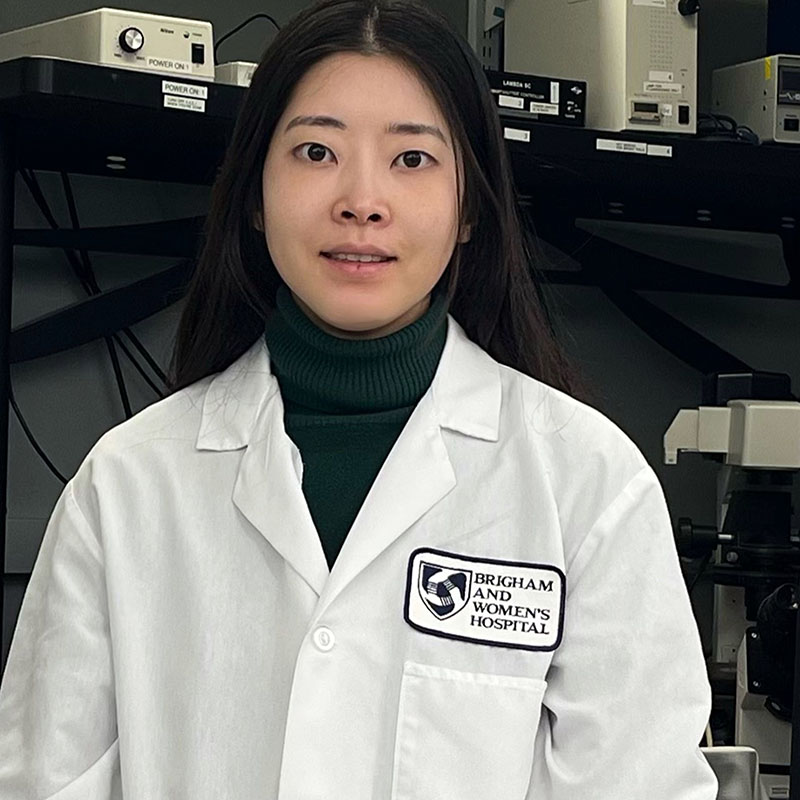
Sohyong Lee, Ph.D.
Postdoctoral Research Fellow
Harvard University
Thursday June 6, 2024
Gateway 1002
12:00pm – 12:50pm
Abstract: Biomaterials serve as intricate microenvironments for cells and molecules. Understanding and tailoring the properties of materials are crucial in overcoming biomedical challenges by influencing cellular behavior, modulating molecular interactions, and directing tissue regeneration. By harnessing the unique properties of biomaterials, we can unlock the full potential of emerging technologies in biomedicine, revolutionizing fields like 3D bioprinting, single-cell studies, and drug delivery. Through the integration of micro/nano-fabrication technologies, I have been developing biomaterials with precisely controlled and tailored properties to effectively interact with and manipulate biology at the cellular and molecular levels. This effort is directed towards addressing the three major challenges in the biomedical field:
1. The essential need for targeted drug delivery methods to efficiently treat pulmonary diseases
2. The demanding process of rapidly evaluating and selecting cells for personalized medicine
3. Challenges of constructing the complexity of tissues and organs in tissue engineering
Biography: Dr. Sohyung Lee is currently a postdoctoral fellow in the Jeffrey Karp/Nitin Joshi lab at Harvard Medical School/Brigham and Women’s Hospital in Boston. She earned her BS and MS degrees in Chemical and Biological Engineering from Seoul National University. She received her Ph.D. in Chemical and Biomolecular Engineering at Dino Di Carlo's Lab at UCLA. Her research centers on next-generation biomaterials for diverse biomedical applications, including 3D bioprinting, single-cell-based diagnostics, and targeted drug delivery. Dr. Lee developed novel biomaterials for 3D bioprinting, serving as a supportive framework for cardiac and endothelial cells to mimic biological organs, such as the interface between blood vessels and surrounding tissues. She also leveraged microfluidics, combining it with her material expertise, to create a high-throughput single-cell analysis platform. These techniques were applied to analyze secretion phenotypes and heterogeneity of cells and sort rare populations of high-yielding producer cells using flow cytometry. In her postdoctoral role, she expanded her focus to include drug delivery systems, engineering ultra-long-acting injectables and nanoparticles for delivering biologics.Her multifaceted research has been recognized with awards, published in a variety of journals, and protected by patents. She has been recognized as one of the MIT 2023 Chemical Engineering Rising Stars.