Seminar Series
Monday, October 6, 2025
GP1002
12:00pm – 12:50pm
Please contact Kate Harrison for a Zoom Link @ KHarrison@wpi.edu
“Basal Cd44 and Hyaluronic Acid Shear Stress Dependent Endothelial Cell Remodeling”

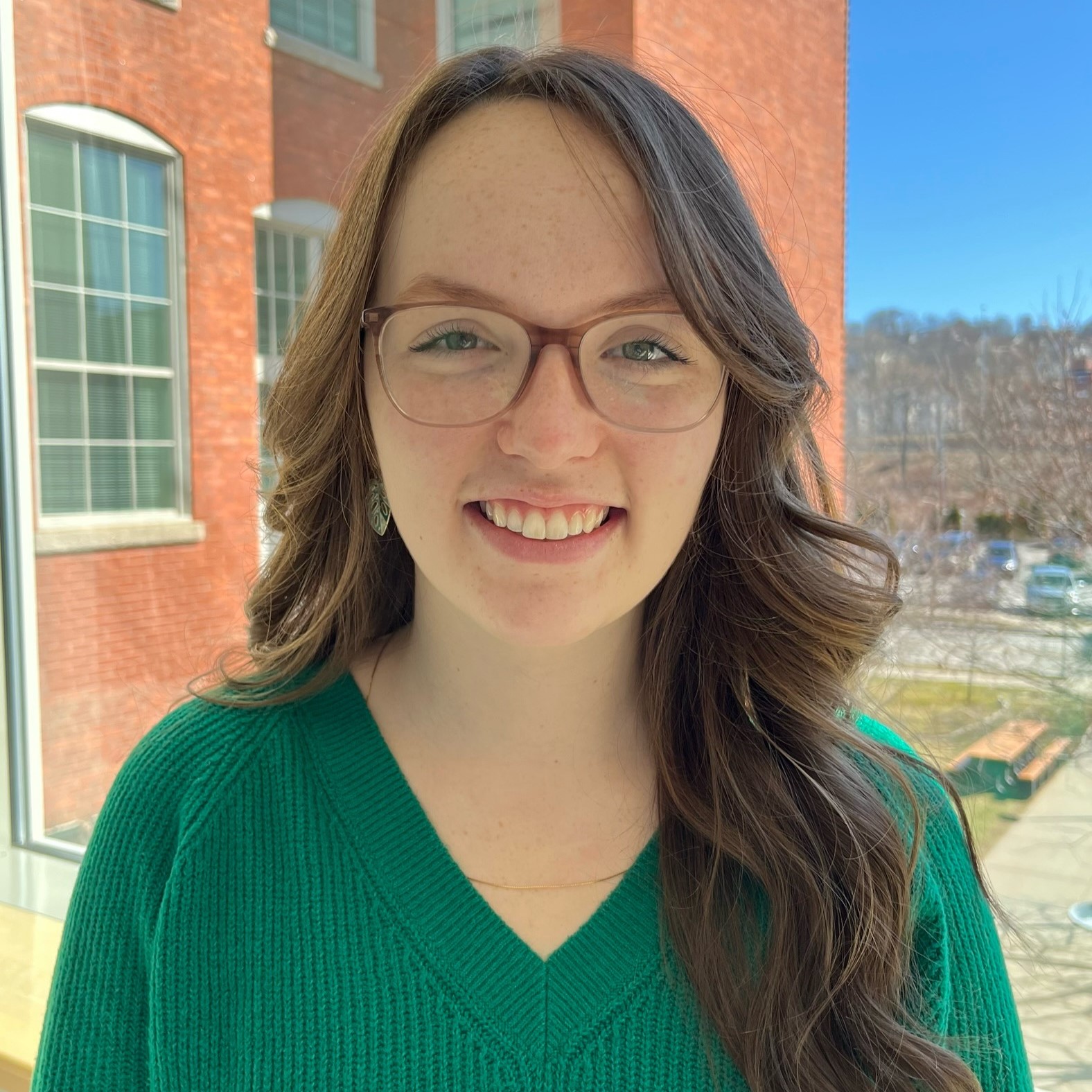
Zoe Vittum
PhD Candidate Biomedical Engineering
Worcester Polytechnic Institute
Abstract: The endothelial glycocalyx (GCX) encompasses endothelial cells (ECs); serving to transduce extracellular signals and regulate vascular barrier functions. The apical or luminal GCX has been at the forefront of research as it directly interacts with circulation. Inflammatory biochemical stimuli are known to degrade the apical GCX and its functions. Aside from a few reports demonstrating the presence of the abluminal or basal GCX, the regulation and functional significance of the basal GCX remains largely unexplored. Strikingly, under inflammatory stimuli, heparan sulfate, the most abundant component of the apical GCX, was found to increase in the basal GCX compared to non-inflamed controls. This creates a gradient of heparan sulfate across the endothelium, promoting the retention of chemokines within the basal GCX, underscoring the potential, yet unknown, role of the basal GCX. Under homeostatic conditions CD44, a transmembrane adhesion molecule, binds hyaluronic acid (HA) and functions as a fluid shear stress (FSS) mechanotransducer in the apical GCX. To our knowledge, basal CD44 and HA have not been probed. Here we demonstrate increased enrichment of CD44 in the basal GCX compared to the apical, as well as the dependence of basal HA presence on apical HA and cytoskeletal facilitated FSS mechanotransduction.
Bio: I completed my undergraduate degree in Biomedical Engineering at the University of Maine. I am now a third year PhD candidate in Professor Mensah’s laboratory. My dissertation work is focused on investigating the basal glycocalyx and its role in endothelial cell mechanotransduction and permeability.
“Accumulation of Axonal Damages from Repeated Stretches”

Chaokai Zhang, MEng
PhD Student Biomedical Engineering
Worcester Polytechnic Institute
Abstract: Traumatic axonal injury (TAI) is a central pathology of traumatic brain injury and may develop from repeated sub-concussive impacts. While single rapid stretches have been shown to rupture cytoskeletal structures such as microtubules, tau proteins, and neurofilaments, the cumulative effects of repetitive strains remain poorly understood. In this study, we employed a male axonal injury model to simulate rapid cycles derived from in UBC male ice-hockey head impact data. Fiber strain magnitudes were categorized as low (7.0%), mild (10.6%), and moderate (17.9%), applied in sequences of up to 11 cycles without healing between insults. Results showed no damage below ~5.5% strain, but progressive tau and NF failure under mild stretches, and rapid escalation under moderate stretches. A clear injury threshold between 5.5–6% strain was identified. These findings highlight threshold-dependent cumulative axonal damage, providing mechanistic insight into sub-concussive vulnerability and repeated head impact risks.
Bio: Chaokai Zhang is a PhD student in Biomedical Engineering at Worcester Polytechnic Institute, working in Prof. Songbai’s lab on whole-brain multiscale modeling of concussion. His research focuses on mild traumatic brain injury (mTBI), computational biomechanics, and machine learning. He earned an M.Eng. from the University of Virginia, where he focusses on computer simulations of soft-hard materials and helmet optimization. His recent work includes developing an axonal injury model that connects organ-level head impact to fiber-level strain dynamics, offering a computational framework to study the mechanisms of traumatic axonal injury.
“Modulation of LEC-Directed Immune and Tumor Cell Migration within the Pancreatic Tumor Microenvironment”

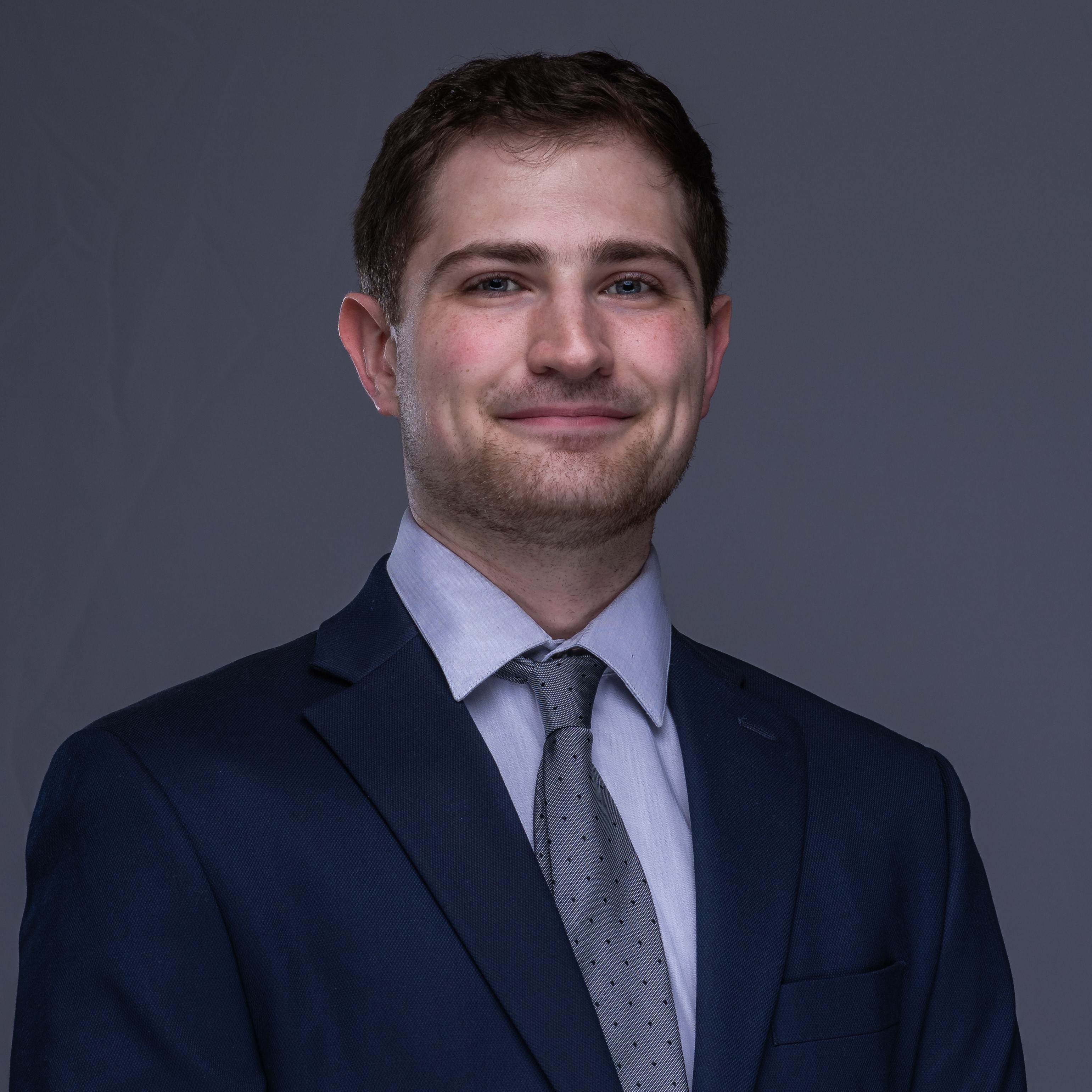
Stephen Larson
PhD Candidate Biomedical Engineering
Worcester Polytechnic Institute
Abstract: Lymphatic vasculature plays an important role in facilitating immune response in fibrotic disease and metastasis into lymph nodes. In fibrosis, extracellular matrix (ECM) stiffening and cytokine signaling influence lymphatic vascular integrity (cell morphology) and cell trafficking (chemokine production) to facilitate cell movement. However, the mechanisms driving immune and cancer cell entry into lymphatic vessels during metastasis are not well understood. In the current study, we leveraged methacrylated type I collagen and photo-crosslinking to generate substrates at fibrotic stiffness levels observed in PDAC tumors. Inflammatory signals were introduced by exposing cultures to TNF-α, an inflammatory cytokine. Lymphatic endothelial cells (LEC) cultured on fibrotic collagen substrates (photo-crosslinked) with TNF-α exposure produced varied chemokine profiles compared to LEC on tissue culture plastic. When PANC-1 cells (PDAC cell line) were co-cultured with LECs grown on fibrotic (photo-crosslinked) and non-fibrotic (uncrosslinked) collagen substrates, changes in morphology and PANC-1 migration were observed. The morphology of LEC was found to be impacted by PANC-1 co-culture resulting in an increase in cell area; meanwhile PANC-1 migration decreased in the presence of TNF-α on fibrotic and non-fibrotic collagen substrates while no change was observed when LEC were cultured on plastic. The morphology of LEC cultured with THP-1 derived mature dendritic cells (mDC) had higher form factor and decreased area and perimeter despite TNF-α presence; mDC showed increased migration towards LEC exposed to TNF-α on plastic and fibrotic collagen and no change in migration on non-fibrotic collagen. In conclusion, LEC are impacted by fibrotic stiffening, TNF-α signaling, and the presence of other cells in culture. These changes influence both pancreatic cancer and immune cell migration towards LEC implicating downstream effects to immune response and cancer metastasis by impacting vascular integrity and drive for cells to enter vasculature.
Bio: Stephen Larson is a fourth year PhD candidate in Professor Whittington’s lab in the Biomedical Engineering (BME) Department at WPI and graduated with a bachelors in BME from Rochester Institute of Technology in 2022. His research focuses on understanding how fibrotic stiffening and inflammation in the context of pancreatic cancer impact the function of lymphatic endothelial cells (LEC). He has been a graduate student liaison for the summer NSF-REU program since 2023 and the summer Frontiers program TA for 2 years. Stephen was awarded the Potvin Family Award in May of 2025 and has since been invited to apply to become a Tau Beta Pi member. He is also known for his work as a UAW-GWU Union Steward for the WPI BME Department from 2023-2025 and has served as the Recording Secretary for the UAW-GWU and UAW-Local 2322.