Boynton Hall, Worcester Polytechnic Institute, 1868.
Architects: Stephen C. Earle and James E. Fuller.

Worcester High School (Classical High), 1871 (demolished 1966).
Design: Henry Hobson Richardson (Gambrill & Richardson).
Supervising Architects: Stephen C. Earle and James E. Fuller.
Contractor: Norcross Brothers.

WPI delivered the nation’s first architectural graduates in 1871: Herbert Nichols and Everett Bardwell were the first individuals in the United States to complete and receive degrees from a structured collegiate program in architecture.

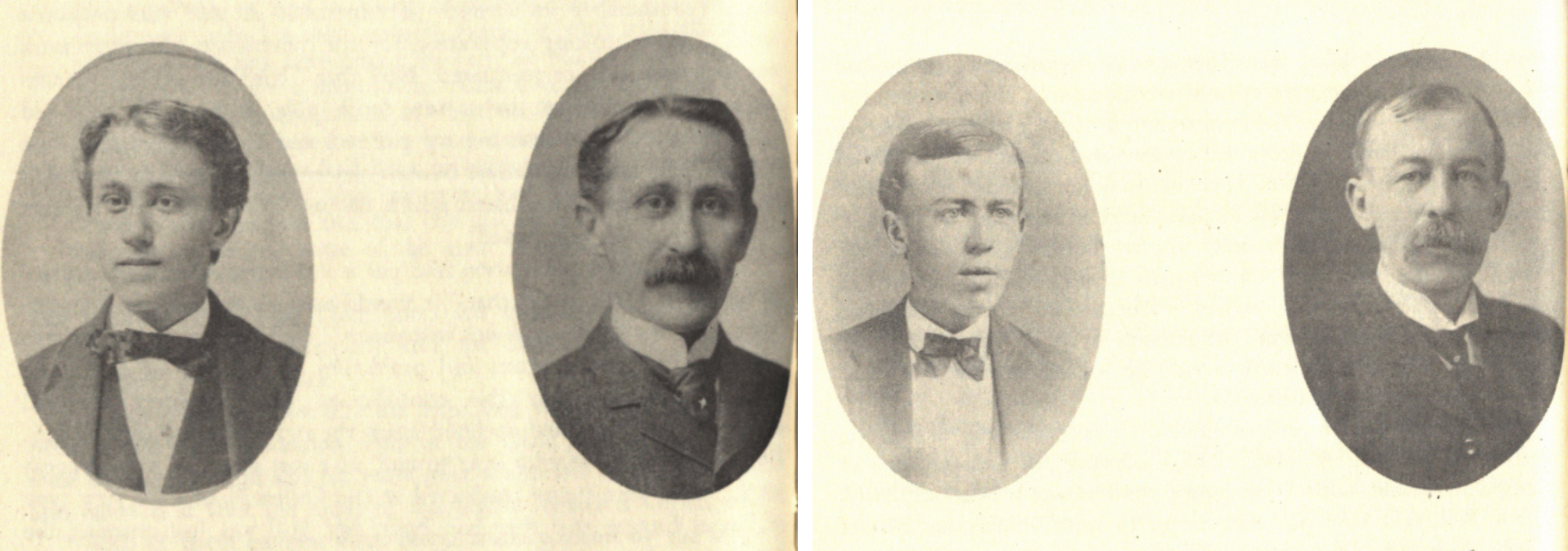
After graduation, Nichols joined the Philadelphia office of Furness & Hewitt, where Frank Furness’ bold and innovative design approach influenced a generation of American architects, including Louis Sullivan. Nichols later earned his doctorate at Clark University, becoming the school’s first PhD graduate and the first United States college-trained architect known to obtain a doctorate. He subsequently served as a lecturer at Harvard University.
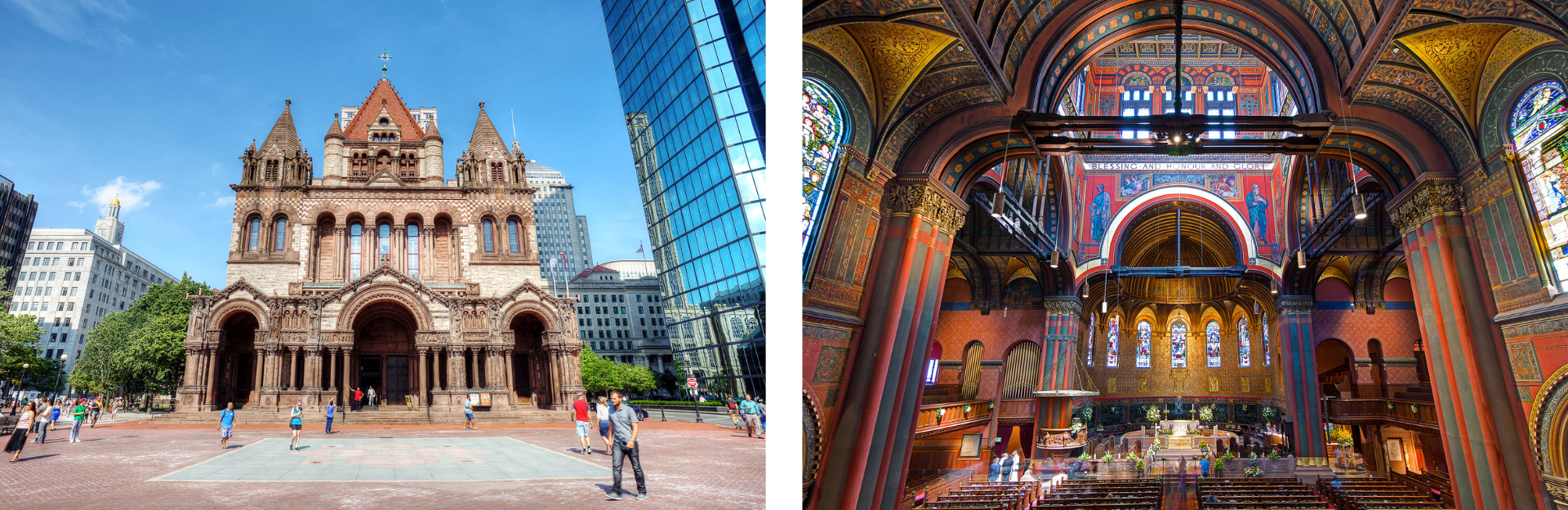
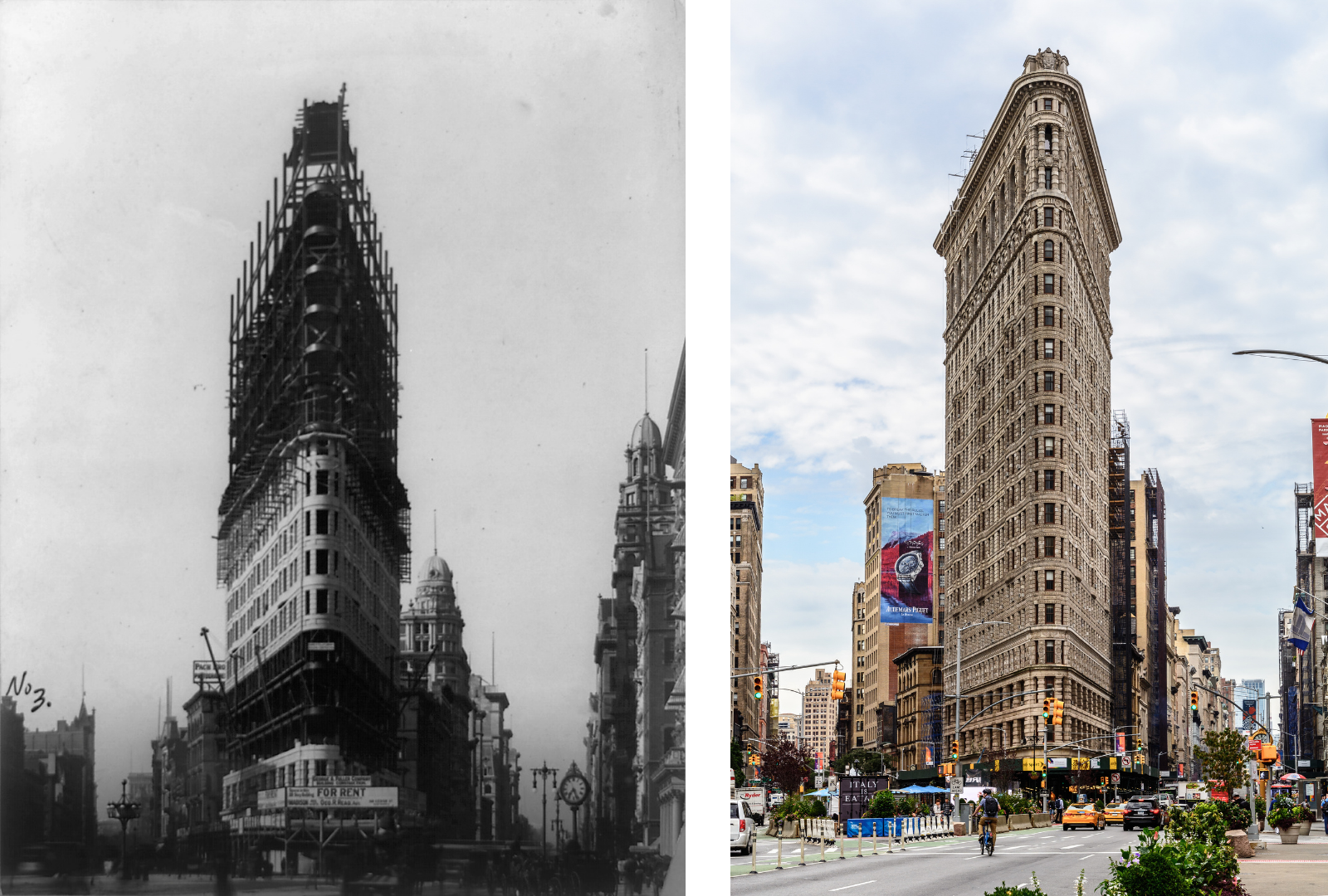
Bardwell began his professional career in the offices of local architects before embarking on a long career with the Norcross Brothers, a prominent Worcester-based contracting firm closely associated with H.H. Richardson. Through this work, Bardwell contributed to major projects including Trinity Church in Boston and, later in his career, work connected to the office of McKim, Mead and White.