Master of Architecture
Master of Architecture

Oculus: WPI's entry for the 2019 Department of Energy Solar Decathalon Competition, Ben Guerir, Morocco

Design Studio 4, Class of 2025

Design Studio 3, Class of 2025

Design Studio 3, Class of 2025

Major Qualifying Project, Class of 2025


Faculty Profiles
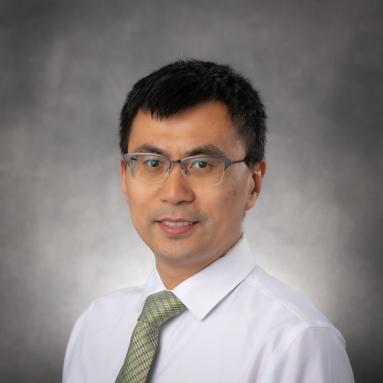
Shichao Liu
Associate Professor, Civil, Environmental, & Architectural Engineering
Sabbatical Leave in Fall 2026
Dr. Shichao Liu is an Associate Professor in the Department of Civil, Environmental, and Architectural Engineering at Worcester Polytechnic Institute (WPI). His research examines human–environment interaction in the built and designed environment, fo
[...]
read more
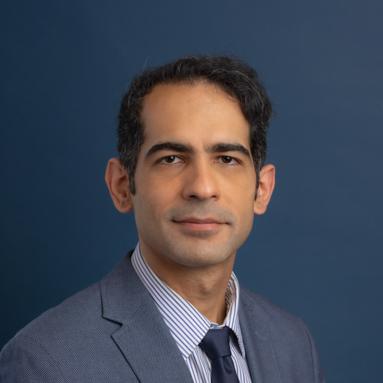
Soroush Farzin
Assistant Professor of Teaching, Civil, Environmental, & Architectural Engineering
I am a designer, researcher, and educator working at the interface of Architecture and engineering. I am currently an Assistant Teaching Professor in the Architectural Engineering program at the Worcester Polytechnic Institute, where I teach Design Studio and Great Project Semina
[...]
read more
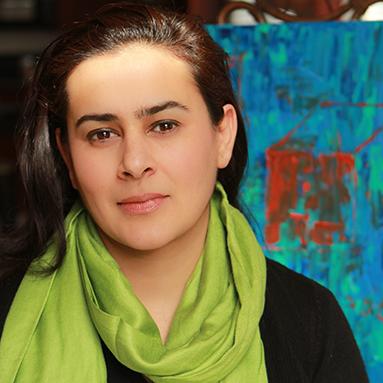
Navneet Anand
Adjunct Instructor/Lecturer, Architectural Engineering
Navneet Magon Anand is a design strategist, consultant and researcher with a background in Architecture and Sustainability. She is the founder of Design Veritas, a design strategy consultancy and creative studio advocating for human and environmental sustainability and wellbeing.
[...]
read more

Clyde Robinson
Adjunct Instructor/Lecturer, Civil, Environmental, & Architectural Engineering

Steven Van Dessel
My research and teaching activities are in the area of sustainable building design and building technology, with a special focus on the study of adaptive building enclosure systems. One of the goals of this research is to develop smart materials that can alter their thermal prope
[...]
read more
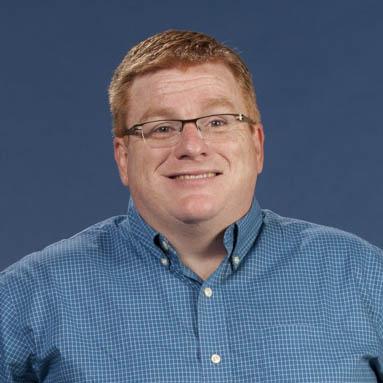
Joseph Cullon
Professor of Teaching,
Humanities and Arts - HUA
One of Professor Cullon’s students recently called him "strangely fascinating." He knew that he was strange but he was happy to learn that a student found his approach to teaching fascinating. He likes to encourage students to see history not as a mass of dead facts but as a vita
[...]
read more
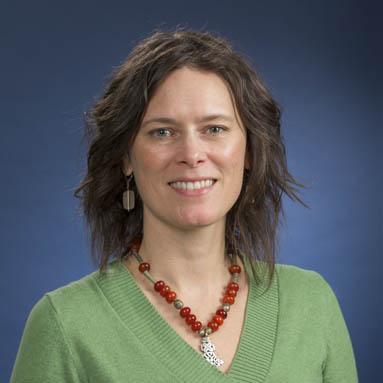
Melissa Belz
Associate Teaching Professor,
Department of Integrative and Global Studies - DIGS
I am a geographer with a focus on the cultural landscape, meaning landscapes that are shaped by people. I am interested in development, how and why places change, and why certain traditions endure. I study this mainly through vernacular architecture (traditional regional design).
[...]
read more

Katherine Foo
Associate Professor of Teaching,
Department of Integrative and Global Studies - DIGS
Katherine Foo, PhD MLA, is co-director of the Berlin Project Center and an associate teaching professor in the Integrative and Global Studies Department at Worcester Polytechnic Institute. Her research focuses on urban environmental governance and landscape visualization for soci
[...]
read more

Elisabeth Stoddard
Associate Professor of Teaching,
Department of Integrative and Global Studies - DIGS
Prof Stoddard is a human-environment geographer who is interested in the intersection of nature, society, and justice, particularly in the context of climate change. She looks at the ways in which we can design for climate resilience, in terms of infrastructure, location specific
[...]
read more

William San Martín
Assistant Professor,
Department of Integrative and Global Studies - DIGS
William San Martín (he/him/él) is an Assistant Professor of Global Environmental Science, Technology, and Governance in the Department of Integrative and Global Studies at Worcester Polytechnic Institute (WPI). For more than a decade, his research has focused on the management
[...]
read more

Stephen McCauley
Associate Professor of Teaching & Department Head,
Department of Integrative and Global Studies - DIGS
Stephen McCauley is a geographer whose work focuses on exploring how cities change and how urban futures can be inclusive, green and resilient. His broad substantive interests include climate change preparedness, urban resilience, energy system innovation, community participation
[...]
read more

Derren Rosbach
Associate Professor of Teaching,
Department of Integrative and Global Studies - DIGS
The overarching goal of my teaching and research is to contribute to an interdisciplinary understanding of environmental governance and policy. More specifically, I focus on the building of individual, organizational and institutional capacities to participate in collaborative
[...]
read more

Sarah Strauss
Professor,
Department of Integrative and Global Studies - DIGS
Sarah Strauss was born and raised on the east coast. During high school and college, she was deeply involved in biomedical research, and expected her career path to lie in this direction. She enjoyed the philosophical traditions, though, and so although she worked in molecular bi
[...]
read more

Laureen Elgert
Professor,
Department of Integrative and Global Studies - DIGS
I joined WPI in 2011 as a scholar and teacher with training in public health, environmental policy, and international development studies. My research and teaching interests focused on the environment-development nexus, where tensions between sustainability and livelihoods often
[...]
read more
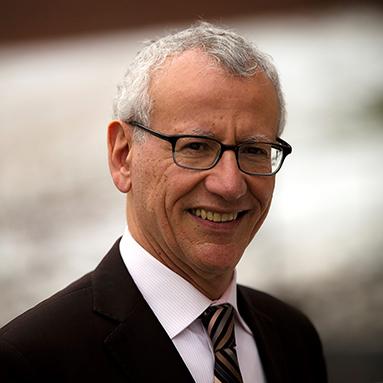
Tahar El-Korchi
I enjoy my interactions with students at all levels of education, research, and mentoring, whether it be in the classroom, the lab, or in project work. I especially enjoy taking them to the Morocco Project Center and sharing with them the places where I grew up. Challenging the s
[...]
read more

Jessica Rosewitz
Assistant Teaching Professor, Civil, Environmental, & Architectural Engineering
Dr. Jessica Rosewitz brings to WPI a wealth of past WPI experiences, teaching and project advising, industry and community engagement, a passion for WPI’s project-based education, and focus on continual improvement of engineering education at all levels. Her P.E. license and expe
[...]
read more

Leonard Albano
Associate Professor, Civil, Environmental, & Architectural Engineering
I enjoy teaching civil engineering fundamentals in 1000 and 2000-level courses, and then revisiting those fundamentals in upper level and graduate courses as a base for presenting advanced topics and fostering deeper learning. This emphasis on fundamentals can be challenging to u
[...]
read more
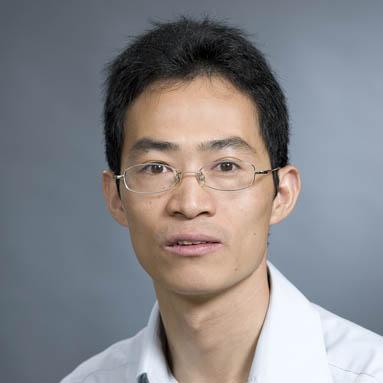
Mingjiang Tao
Associate Professor, Civil, Environmental, & Architectural Engineering
I teach geotechnical and pavement engineering courses at WPI. My favorite teaching activities are helping students develop critical thinking skills and become independent learners and problem solvers for their future career in civil engineering.
My areas of research are in the in
[...]
read more
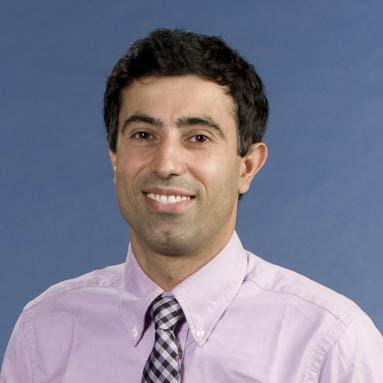
Nima Rahbar
White Family Distinguished Professor & Department Head, Civil, Environmental, & Architectural Engineering

Suzanne LePage
Senior Instructor, Civil, Environmental, & Architectural Engineering
Having initially graduated from WPI with a bachelor’s degree in Civil Engineering in 1995, I returned to teach part-time and pursue graduate studies in 2007. While the intervening years as a professional planner provided me with a wide variety of experience assisting towns and re
[...]
read more
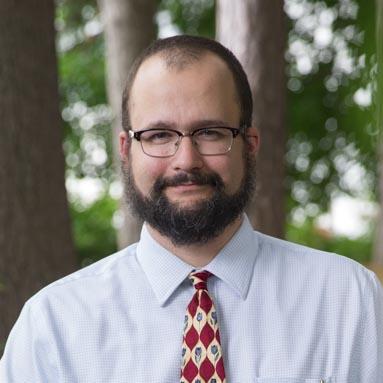
Aaron Sakulich
Associate Professor, Civil, Environmental, & Architectural Engineering
Replacing our crumbling national infrastructure with conventional materials would be only a temporary solution to a critical problem. My research focuses on developing new, more durable materials for use in infrastructure, which will lead to a lowered maintenance burden, improved
[...]
read more